Bath · Care & Buying Guide
What to Look for in a Gingerlily Bath Bag
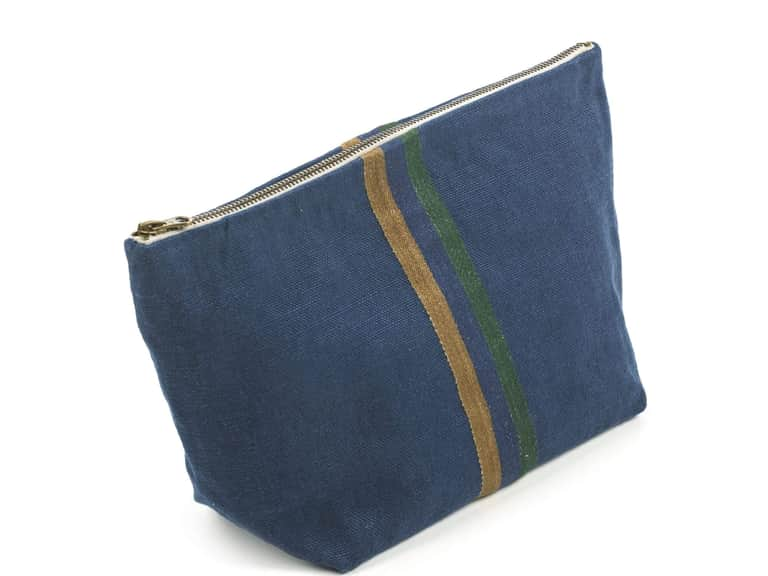
A bath bag is a small piece of everyday architecture: it gathers the essentials, keeps them easy to find, and makes the shift from home bathroom to hotel sink feel a little more considered. Choosing well means looking beyond a pleasing silhouette to capacity, materials, lining, closure, and the realities of care in a humid setting.
Published November 9, 2026
Begin with the ritual, not the silhouette
Before comparing fabric or finish, consider what the bag is expected to carry. A compact pouch for a few daily essentials has different demands from a travel case holding skincare, haircare, and grooming tools. The right size is not simply the largest one available. It is the size that accommodates the things you use without turning a routine into a search through a crowded interior.
Make a short inventory of the items you reach for most often. Include their shapes as well as their number: a tall bottle, a flat compact, a toothbrush, a comb, or a small jar can each influence how a bag needs to open and how its space is arranged. If you pack liquids, leave room for them to stand upright where possible, or choose a design whose lining and construction help contain an accidental leak. A bag that fits everything only when pressed shut may be less useful than a slightly more generous option with room to spare.
Think, too, about where the bag will live. On a bathroom shelf, it may need a stable base and a modest footprint. In a shared bathroom, a secure closure and easy-to-carry shape can make moving between rooms simpler. For travel, weight and packability become more important, while a wide opening helps you see the contents when counter space is limited. The best choice responds to a real routine rather than an imagined one.
Capacity and access: a useful balance
Capacity is only half the question; access is the other. A generous main compartment can be wonderfully flexible, but small essentials may disappear beneath larger bottles. Interior pockets, dividers, or a simple open layout each solve different problems. Pockets are useful for separating small items, though too many can reduce the space available for bulkier products. A single spacious compartment may suit someone who prefers to arrange belongings differently from trip to trip.
Pay attention to the opening. A zipper that runs along the top provides a familiar, contained closure, while a wider zip-around opening can make the contents easier to see. A drawstring offers quick access and a soft, flexible shape, but may be less effective at keeping small pieces contained if the bag is tipped or packed tightly. A snap or clasp can be convenient, though its usefulness depends on how securely it closes and whether it suits the bag’s intended load.
Try to picture the bag in use, not just empty. Will you need one hand free? Will it sit on a narrow counter? Is it likely to be packed inside a suitcase, where a protruding clasp or rigid shape could catch on other belongings? Thoughtful access is a quiet luxury: it removes friction from a familiar task without adding unnecessary complexity.
Materials made for the bathroom
Bathrooms ask more of textiles and construction than many other rooms. Humidity, occasional splashes, frequent handling, and the residue left by lotions or soap can all affect a bag over time. A material that looks beautiful on a shelf may prove inconvenient if it takes a long time to dry or requires care that does not fit the way you live. Examine the maker’s description for the outer fabric, any lining, and specific cleaning instructions rather than relying on appearance alone.
Woven cotton and canvas can feel substantial and familiar, with a tactile quality that suits everyday use. Their performance depends on the weave, weight, finish, and construction; they are not automatically water-resistant simply because they feel sturdy. Some synthetic fabrics are lightweight and may be easier to wipe clean, but their handling, breathability, and finish vary. Coated or water-resistant surfaces can offer practical protection from light moisture, though they still need to be dried and cared for according to the manufacturer’s directions.
Natural fibres can bring softness and visual depth, but they may need more attentive handling around spills and dampness. The word “natural” does not itself guarantee that a fabric is washable, quick-drying, or suited to repeated exposure to moisture. Likewise, “water-resistant” does not mean waterproof. Check what the product information actually promises and avoid assuming that a treated surface can be submerged or machine-washed.
Material weight is another useful clue, although heavier does not always mean better. A denser fabric may feel more structured, while a lighter one may pack easily and take up less room. The intended use should decide the balance. A bag that stays at home might benefit from a more substantial hand; a travel companion may be more useful when it folds or compresses without adding bulk.
Why the lining deserves a closer look
The interior is where a bath bag meets its most practical challenges. A lining can help protect the outer material from small spills and make the inside easier to wipe, but its value depends on how it is constructed and what care it requires. Look for clear information about whether the lining is coated, removable, or washable. If no such details are given, treat the bag as a fabric accessory rather than assuming it can withstand liquid or vigorous cleaning.
Inspect the seams and corners in the product description or, when shopping in person, by opening the bag and looking closely. Neat stitching, finished edges, and a lining that sits smoothly can contribute to durability and help prevent contents from catching. Reinforcement at stress points may matter when the bag is regularly carried full. These details are not decorative footnotes; they shape how well a bag manages ordinary wear.
It is also worth considering what the bag will hold. If products are sealed and kept upright, the lining may have a relatively easy job. If you carry open cosmetics, damp grooming tools, or bottles that have a history of leaking, separation may be more important than softness or a delicate finish. A small washable insert or separate pouch can provide an adaptable layer of protection, provided it does not make the main compartment awkward to use.
Closures, handles, and the details of daily use
A closure should suit both the contents and the setting. Zippers can offer a reassuringly enclosed finish, but check that they run smoothly and that the pull is easy to grasp. A drawstring is simple and flexible, while a flap or clasp may create a more polished profile. No one mechanism is universally superior. The right one is secure enough for the way the bag is carried and straightforward enough that you will use it without a second thought.
Handles and loops are similarly easy to overlook. A small loop can make a bag easier to lift from a suitcase or hang on a suitable hook, but it should not be treated as a guarantee that every bag is designed to hang when full. If a strap or handle is present, consider how it is attached and whether its construction appears suited to the bag’s likely weight. For a compact bag used mainly on a counter, a handle may matter less than a stable shape and an opening that stays accessible.
Hardware adds finish, but it can also affect care. Metal elements may need to be kept dry, and decorative details can complicate cleaning. If simplicity is your priority, fewer components may mean fewer places for residue or moisture to collect. If you prefer a more tailored look, check that embellishments do not interfere with opening, packing, or washing.
Care is part of the purchase
A bath bag is handled often, so its care instructions should be realistic for you. Before buying, find out whether the maker recommends spot-cleaning, hand-washing, machine-washing, or professional care. Follow the specified water temperature and drying method. A fabric that can be washed may still require a delicate cycle, a laundry bag, or air-drying; a lining or coating may have separate limitations. When instructions are not available, contact the maker rather than guessing.
For routine upkeep, empty the bag periodically and remove loose crumbs, tissues, or product residue. Wipe suitable surfaces with a clean, lightly damp cloth, taking care not to saturate materials that are not designed for moisture. Allow the bag to dry fully before closing it or returning it to a drawer. This simple pause can help prevent dampness from lingering inside, especially in bathrooms with limited ventilation.
Storage matters as much as cleaning. Avoid leaving a damp bag tightly packed among other belongings, and do not store it with uncapped products. If the bag is kept in a bathroom, choose a spot away from direct splashes and standing water. For longer periods out of use, make sure it is clean and dry, then store it somewhere with air circulation rather than sealing it in a humid space.
Care should preserve the bag’s material, not test its limits. Strong cleaners, bleach, abrasive cloths, and excessive heat can damage finishes or fibres. If a spill occurs, blot rather than scrub and consult the care guidance for the specific material. Acting promptly and gently is usually more sensible than trying an aggressive cleaning method that may leave a permanent mark.
Choosing a bag for travel
Travel changes the brief. A bath bag may be moved between a suitcase, a hotel bathroom, and a carry-on, so a light build and dependable closure can make a noticeable difference. Consider whether the bag’s dimensions suit the products you actually bring, and whether it can be packed without forcing the zip or distorting the seams. An oversized case can claim valuable luggage space; one that is too small can leave essentials scattered across a washbag and suitcase.
Leak prevention begins with packing as well as design. Close bottle caps firmly, place liquid products in a separate sealed pouch where appropriate, and keep items that could stain fabric away from delicate belongings. A bag’s lining may provide a helpful barrier, but it should not be treated as a substitute for containing liquids securely. If a travel case becomes damp, empty it and let it dry thoroughly before packing it away again.
For shared trips, a simple way to distinguish personal items can be useful. A distinctive colour, pattern, or interior arrangement may make the bag easy to identify without sacrificing function. On the other hand, understated finishes tend to work across settings and seasons. The choice is personal; the more important question is whether the design remains easy to care for after repeated journeys.
A practical comparison checklist
When comparing bath bags, return to a few concrete questions. They help separate details that look appealing in a product listing from the features that will matter after the first week of use.
- Purpose: Is the bag primarily for daily bathroom storage, travel, or both?
- Capacity: Does it fit your regular essentials without needing to be overfilled?
- Access: Can you see and reach small items easily, and does the opening suit your routine?
- Materials: Are the outer fabric and lining clearly identified, with realistic care guidance?
- Moisture: Is the bag suitable for the level of humidity and occasional splashes it is likely to encounter?
- Construction: Do seams, corners, handles, and closures appear appropriate for regular handling?
- Maintenance: Can you clean and dry it in a way that fits your habits?
- Longevity: Does the design feel adaptable enough to remain useful if your routine changes?
A checklist is not a substitute for product-specific information. It is a way to ask more useful questions and to notice when a key detail has not been stated. If a material, lining, or washing method is unclear, seek clarification instead of filling in the gaps with assumptions.
Style that earns its place
The appeal of a bath bag is partly visual: colour, texture, proportion, and finish can make a daily object feel considered. But style and practicality need not compete. A clean-lined design can be just as inviting as a more decorative one, and the most enduring choice is often the one that suits the surroundings while remaining easy to use. Consider whether a pattern will still appeal after frequent handling, or whether a quieter tone will fit more naturally into your bathroom and travel kit.
Look for a finish that supports the bag’s purpose. A soft, unstructured pouch may be elegant and easy to pack, while a more structured shape can stand upright and keep items visible. Neither is automatically more refined; each solves a different problem. The details that matter most are the ones that make the object work gracefully in ordinary life: a useful opening, a sensible size, materials you understand, and care instructions you can follow.
Thoughtful buying also means considering longevity. A well-chosen bag can serve beyond a single season if its materials, construction, and care needs are aligned with how it will be used. When it no longer suits its original purpose, it may find another role as a pouch for travel accessories or small household items, depending on its condition and cleanliness. Choosing with use and upkeep in mind is a modest but meaningful approach to keeping everyday things in service.
The final decision
The ideal Gingerlily bath bag is not defined by a particular shape or a promise of effortless perfection. It is the one that fits your essentials, opens naturally, and is made from materials whose care requirements you understand. In a humid room, a dependable lining and sensible drying routine may matter more than an elaborate detail; on the road, a secure closure and compact footprint may take priority.
Begin with your routine, assess the bag’s capacity and construction, then read the care guidance before deciding. Give equal attention to the interior and exterior, and be cautious about claims that are not supported by clear product information. With those practicalities in view, choosing becomes less about guessing and more about finding a useful, well-considered companion for the rituals that begin and end each day.